February 10th, 2026
Understanding Addiction When You’re the One Left Carrying the Weight
If you love someone who struggles with addiction, chances are you’ve asked yourself questions no one ever fully answers:
- Why won’t they just stop?
- Do they care about us at all?
- If they loved me enough, wouldn’t that be enough?
For families in Al-Anon, the pain isn’t theoretical. It’s lived—daily—through broken trust, fear, anger, guilt, and exhaustion. And often, it’s made heavier by one deeply damaging belief: that addiction is a choice.—-It Isn’t
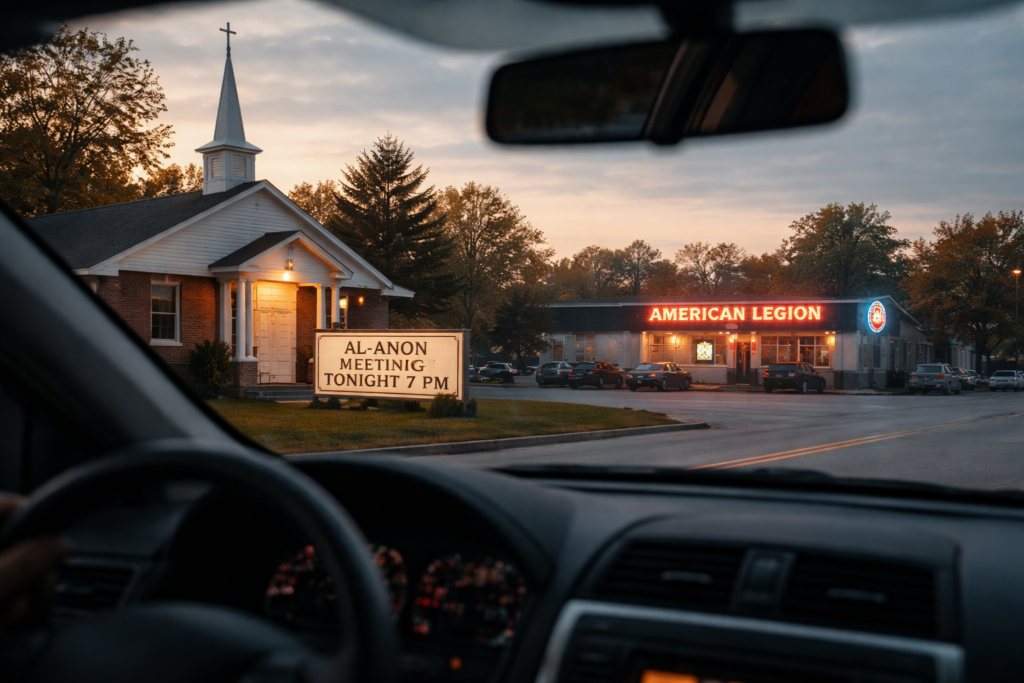
Knowing It’s Wrong Isn’t the Same as Being Able to Stop For two years, I drove past my wife Lisa as she sat inside a church attending Al-Anon meetings—trying to understand what addiction was doing to our family. I didn’t pull into the parking lot. I kept driving. Right past the church–Straight to the American Legion to drink.
Here’s what Al-Anon families deserve to hear: I knew it was wrong. I knew I was hurting her.I knew I should stop the car, turn around, and walk into that room.
But addiction doesn’t erase knowledge—it numbs emotion.
I wasn’t choosing alcohol over my family in the way it looks from the outside. I was chemically hijacked, emotionally disconnected, and operating without access to the part of my brain that should have felt the weight of that decision.
That numbness is not indifference. It’s not a lack of love. It’s what addiction does.
Addiction Is Not a Moral Failure
Addiction is not a lack of willpower, character, or values. It is a disease that alters brain chemistry—impacting judgment, impulse control, and emotional regulation.
Families see behavior and assume intent. What they are often seeing instead is a person who cannot emotionally access the “wrongness” they intellectually understand.
Where My Dash Comes In
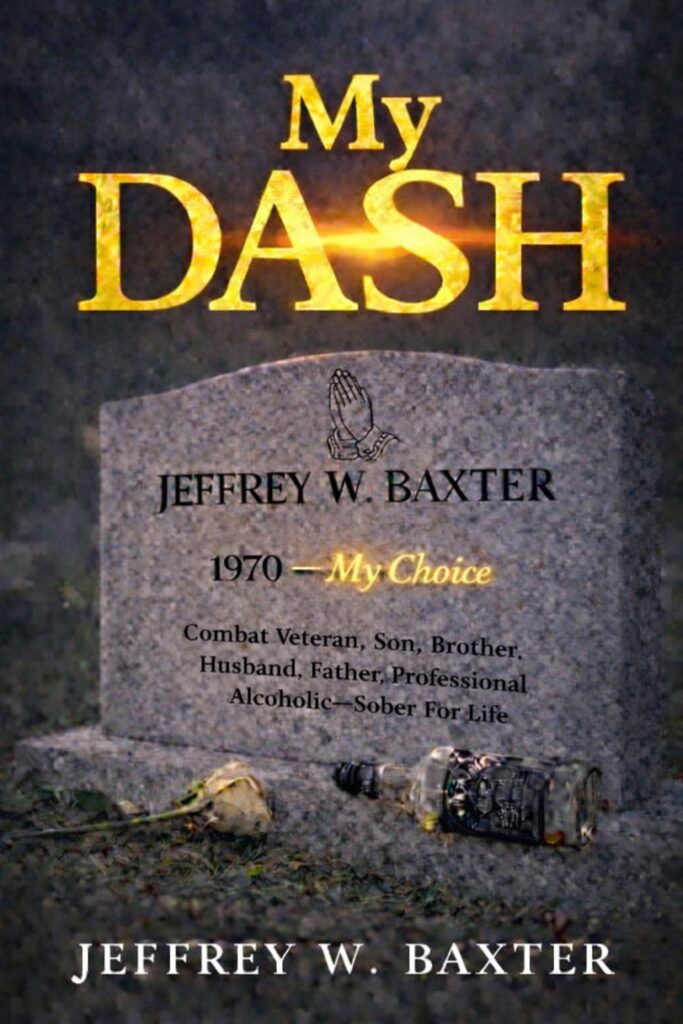
My Dash was written to close the gap between those living with addiction and the families trying to survive it.
It doesn’t minimize the pain families endure.
It doesn’t ask you to excuse harmful behavior.
And it doesn’t promote enabling.
What it offers—especially for Al-Anon families—is clarity:
- Why someone can “know better” and still keep drinking
- Why love alone doesn’t stop addiction
- Why boundaries are not punishment, but protection
Understanding doesn’t mean staying.
It means letting go of blame that was never yours.
Al-Anon teaches that you didn’t cause it, you can’t control it, and you can’t cure it. My Dash supports that truth by showing what addiction feels like from the inside—without asking families to disappear in the process.
Compassion Without Self-Abandonment
You can have compassion and limits.
You can understand the disease and protect your peace.
You can stop carrying responsibility that doesn’t belong to you.
The Dash Is Yours Too
The “dash” represents the time between birth and death—the life we actually live.
Addiction doesn’t just steal the dash from the person struggling.
It steals it from spouses sitting in church basements, parents lying awake at night, and families frozen in survival mode.
Your life matters too.
A Final Word & Invitation
I created My Dash and Rise Above Alcohol to offer understanding—not judgment—for both those struggling with addiction and the families affected by it.
At yellow-shark-669468.hostingersite.com/, you can:
- Learn what addiction truly does to the brain and emotions
- Follow the journey of My Dash as it moves toward publication
- Receive weekly reflections meant to support recovery and those who love someone struggling
If any part of this resonates, I invite you to visit yellow-shark-669468.hostingersite.com/, sign up for the weekly newsletter, and walk this path with a little more clarity and a lot less blame.
Healing isn’t just for the person with the addiction.
It’s for everyone touched by it.
Author Jeffrey W. Baxter